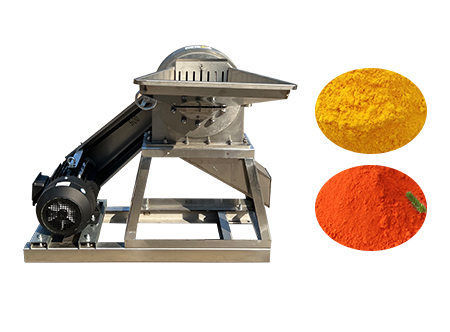
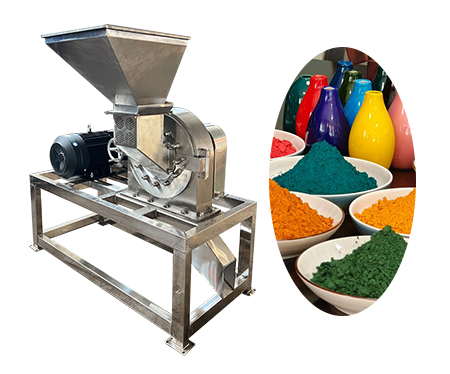
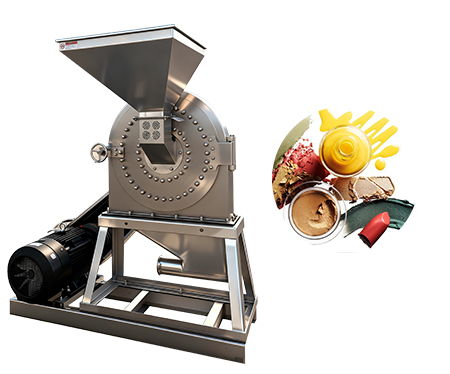
Are you always troubled by these problems in pigment production? Uneven grinding fineness, obvious color difference between different batches, excessive loss caused by mismatched production capacity, difficult operation, cumbersome maintenance and lack of environmental protection? In fact, choosing the right Pigment Grinding Machine can solve all these pain points at once—it directly determines the fineness, dispersibility and color stability of pigments, and is also the core key to controlling production efficiency, reducing costs and ensuring product compliance. Whether you produce inorganic, organic, functional or artistic special pigments, whether it is large-scale mass production or small-batch high-end customization, whether it is to meet the needs of various industries such as coatings, inks, plastics and cosmetics, a suitable high-quality grinding machine can not only meet the differentiated needs of different materials and production capacities, but also with the advantages of convenient operation, simple maintenance, energy saving, environmental protection and intelligent stability, help enterprises achieve the unification of product quality and the maximization of production efficiency on the basis of compliant production.
How to Choose a Pigment Grinding Machine in Pigment Production?
In pigment production, the selection of a pigment grinding machine is critical. It not only directly affects the fineness and dispersion of pigments but also influences the efficiency and cost control of the entire production process. First, it is necessary to clarify the type of pigment and its application scenario. Different types of pigments have different requirements for grinding equipment, such as oil-based pigments, water-based pigments, and powder pigments. These pigments vary significantly in physical properties and processing methods. This article focuses on powder pigments.
Powder pigments usually require fine grinding to ensure uniform particle size, good dispersion, and stable color performance. Especially in large-scale production, the processing capacity and operating efficiency of equipment directly impact overall production costs. Generally, the equipment output should be selected according to daily batch production requirements. For large production demands, high-capacity grinding machines are recommended. For small-batch or high-end custom pigment production, small grinding machines may be more suitable. These machines ensure grinding precision while being compact and flexible in operation.
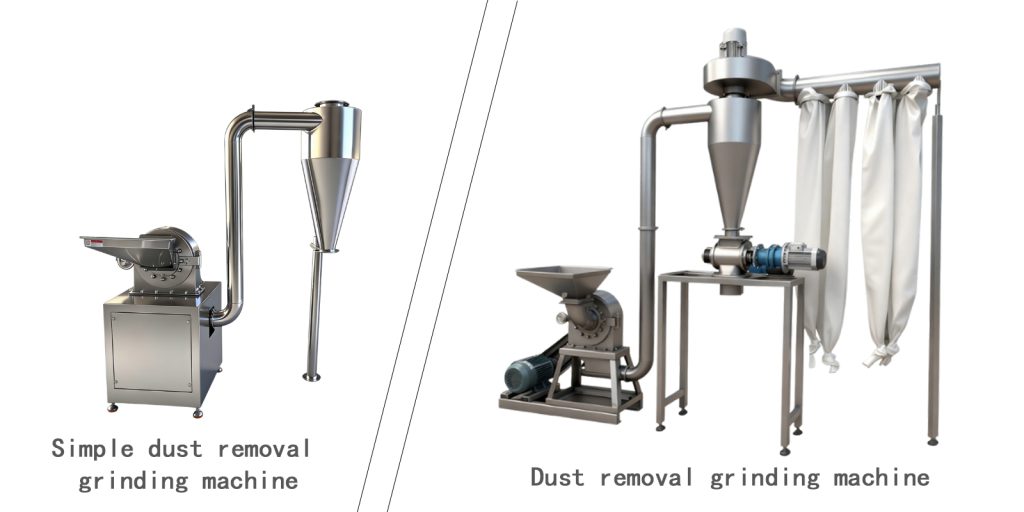
Energy efficiency and environmental performance of pigment grinding machines are increasingly important in modern production. Energy-saving equipment can significantly reduce operating costs, and environmentally compliant equipment helps enterprises meet increasingly stringent environmental regulations. Some grinding machines are designed with dust recovery systems, waste gas treatment devices, etc., to reduce environmental pollution during production. Environmentally friendly equipment not only minimizes the environmental impact but also enhances the brand’s social responsibility.
Maintenance cost and service life are also key factors in the selection process. High-quality equipment usually features excellent design, stable long-term operation, and reduced frequent repairs and downtime. Easy maintenance is another important consideration. For example, whether the equipment is easy to clean, whether wearing parts are replaceable, and whether online technical support is provided are all critical factors. Reliable after-sales support to solve operational problems is also essential when choosing a suitable pigment grinding machine.
Pigment Grinding Mill
With the intelligent development of industrial production, many modern pigment grinding machines are equipped with automatic control systems and intelligent monitoring functions, enabling real-time monitoring of temperature, pressure, particle size, and other parameters during grinding to ensure optimal operation. The pigment grinding machines from Pinchuang Machinery can be equipped with intelligent control cabinets, providing protection against overcurrent, overvoltage, overheating, and overload, as well as an emergency stop function. For large-scale production enterprises, automated and intelligent equipment greatly reduces manual intervention, lowers operational risks, and improves safety.
What Types of Pigments Can Be Processed by a Pigment Grinding Machine?
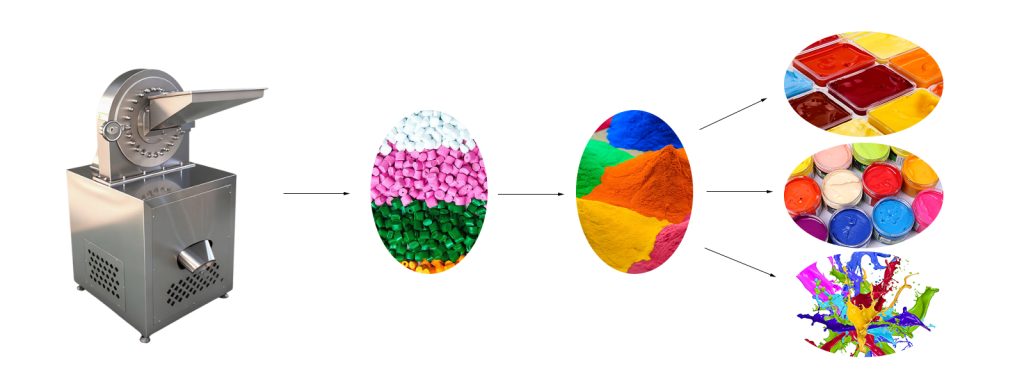
A pigment grinding machine is a device used to grind pigment particles to the required fineness. It can process four major categories: inorganic pigments, organic pigments, functional pigments, and artistic & special pigments, covering full-industry applications such as coatings, inks, plastics, ceramics, cosmetics, etc.
Inorganic Pigments (Most Mainstream, High Hardness, Good Stability)
Titanium Dioxide (TiO₂): The king of white pigments with high hiding power, used in coatings, plastics, and papermaking.
Iron Oxide Series: Iron oxide red, yellow, black, brown, light and weather resistant, used in architectural coatings, ceramics, and rubber.
Chromium Pigments: Chrome yellow, molybdenum chrome red, chrome green, bright in color, used in industrial coatings and inks.
Carbon Black: Black pigment with high tinting strength, used in inks, coatings, and color masterbatches.
Metallic Pigments: Aluminum powder, copper-gold powder, pearlescent powder, used in metallic paints and decorative coatings.
Organic Pigments (Bright Colors, Full Color Spectrum)
Azo Pigments: Monoazo, disazo, azo lakes, mainly red/yellow/orange, used in inks, coatings, and plastics.
Phthalocyanine Pigments: Phthalocyanine blue, phthalocyanine green, high weather resistance and tinting strength, used in high-end inks, plastics, and coatings.
Quinacridone Pigments: Red, purple, orange, high light and heat resistance, used in automotive coatings and engineering plastics.
Perylene / Pyrene Pigments: Red, orange, high heat resistance, used in engineering plastics and outdoor coatings.
Functional Pigments (Combining Color and Special Properties)
Ceramic Pigments: Glaze colors, body colors, high temperature resistance, used in ceramics, glass, and enamel.
Pearlescent / Mica Pigments: Interference colors, metallic luster, used in cosmetics, coatings, and plastics.
Conductive / Antistatic Pigments: Conductive carbon black, metal oxides, used in electronics and antistatic coatings.
Antirust Pigments: Zinc phosphate, aluminum tripolyphosphate, red lead, used in anticorrosive coatings.
Artistic and Special Pigments
Art Pigments: Gouache, watercolor, oil painting, acrylic, Chinese painting pigments.
Cosmetic Pigments: Lakes, iron oxides, titanium dioxide, used in lipsticks, foundations, eye shadows.
Food-Contact Grade Pigments: Compliant with FDA / GB standards, used in food packaging and tableware coloring.
Color Powder / Pastel Pigments:Dry powder pigments that can be directly applied and blended, suitable for illustration, portrait, and landscape creation.
Rock Pigments:Made from ground natural minerals, with strong particle texture and heavy visual effect, they are high‑grade traditional heavy-color pigments.
What Is the Production Capacity of the Pigment Grinding Machine?
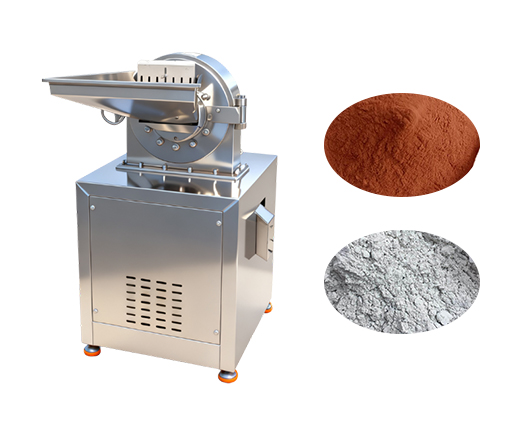
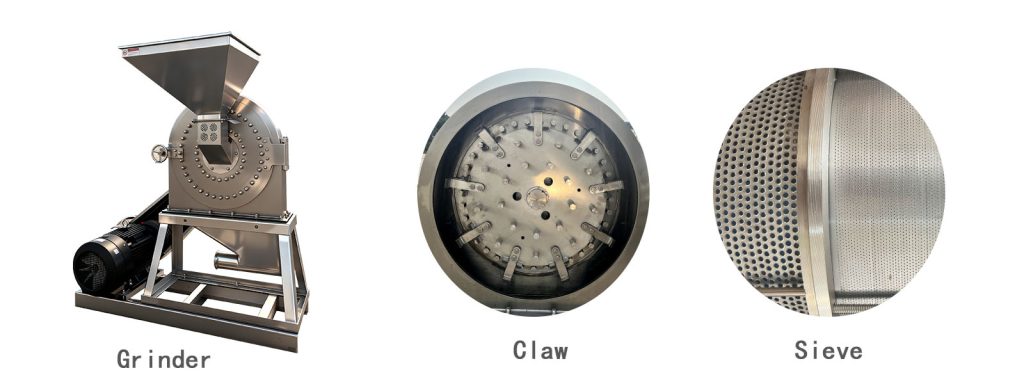
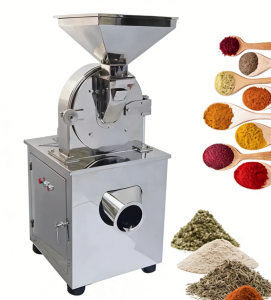
To meet the differentiated needs of different production enterprises, our stainless steel toothed disc crusher (304/316 full stainless steel) is available in multiple models with a capacity range of 50–1000 kg/h, and customized services are provided to match production lines worldwide.
Small Models (for SMEs): 50–200 kg/h (daily output 0.4–1.6 t/d), suitable for small pigment processing plants and masterbatch premixing workshops to meet small-scale production needs.
Medium Models (for medium-sized enterprises): 200–500 kg/h (daily output 1.6–4 t/d), designed for medium-sized coating and ceramic pigment enterprises, supporting 8–12 hours of continuous operation with capacity fluctuation ≤ ±5%, reducing frequent downtime and production loss.
Large Models (for large enterprises): 500–1000 kg/h (daily output 4–8 t/d), for large-scale pigment manufacturers, supporting 24-hour continuous operation to meet high-output requirements and efficiently complete pigment pre-grinding processes.
Customization Service: Exclusive capacity models can be customized according to specific production scale, site constraints, and material characteristics, precisely matching the personalized needs of large, medium, and small enterprises without capacity waste or insufficiency.
モデル
Capacity (kg/h)
Grinding Fineness (mesh)
Motor Power (kW)
Overall Dimensions (mm)
電圧
300
60-150
10-120
4
910*830*1100
220V/380V
400
200-400
10-120
7.5
1180*840*1260
380v
500
300-500
10-120
11
1260*920*1300
380v
600
400-600
10-120
15
1350*930*1350
380v
800
500-1000
10-120
22
1620*1130*1660
380v
1000
1000-1200
10-120
30
1870*1170*1800
380v
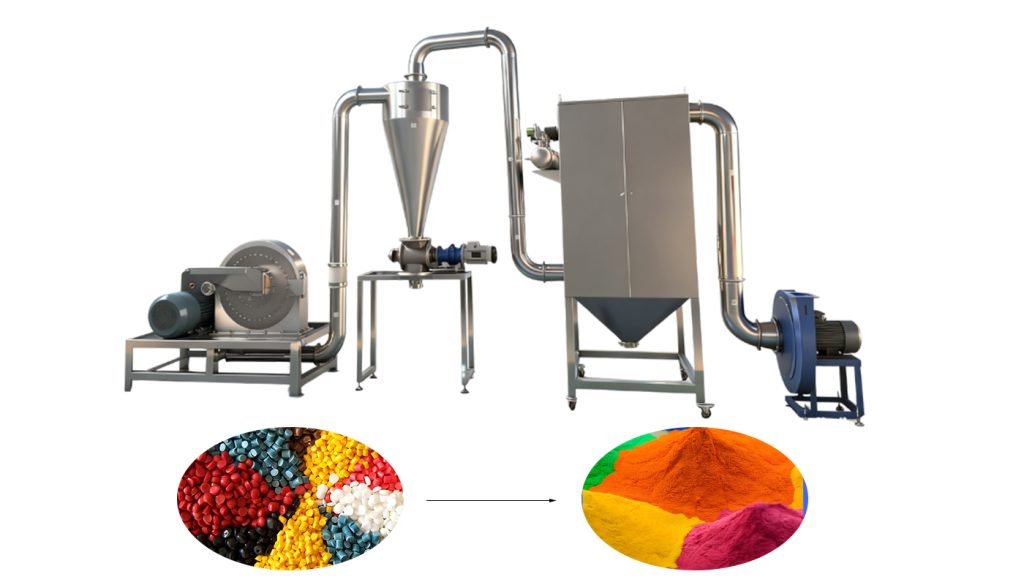
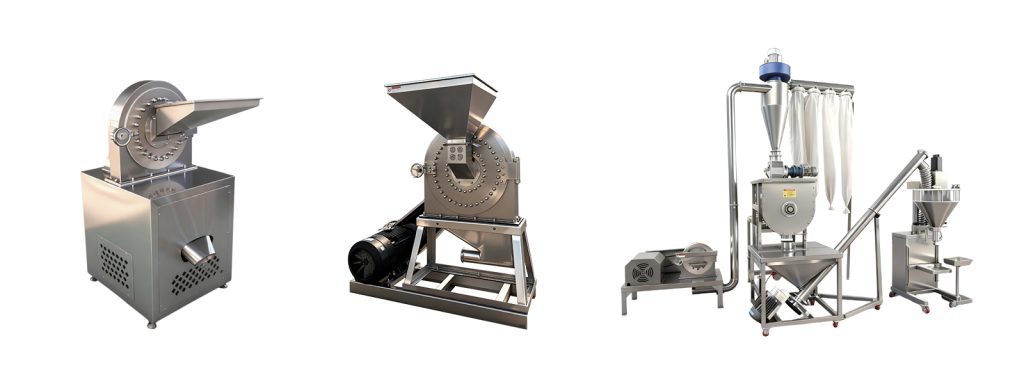
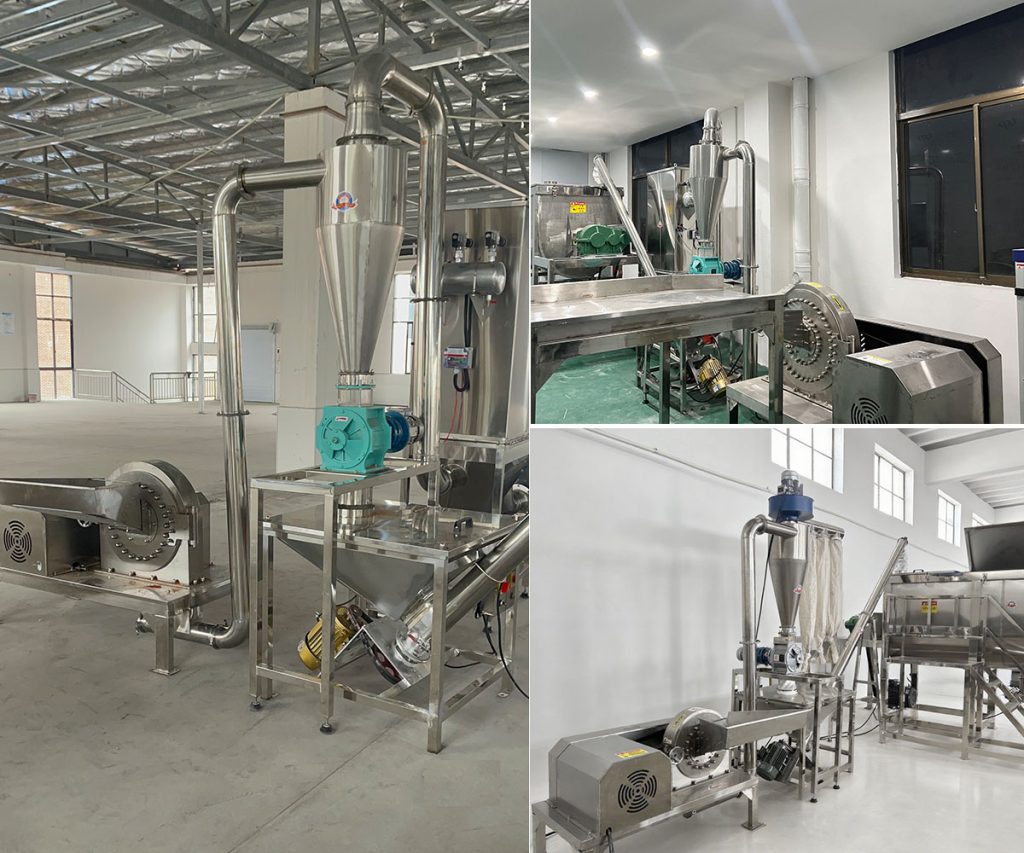
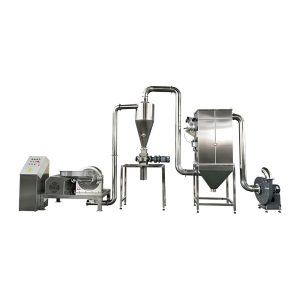
Crusher and Crushing Production Line
Can the Grinding Effect of the Pigment Grinding Machine Remain Consistent Across Different Batches?
The grinding effect of the pigment grinding machine will not vary significantly between batches, mainly due to the structural features of this machine.
Working Principle of This Stainless Steel Gear-Disc Pigment Grinding Machine
The stainless steel gear-disc grinder is a composite crushing device integrating impact + shear + grinding:
Material enters the crushing chamber from the feed inlet;
High-speed rotating moving gear discs interlock with fixed gear discs;
Material is impacted, sheared, rubbed, and ground between gear teeth at high speed;
After reaching the set fineness, it is discharged through the screen / gear-disc gap to complete crushing.
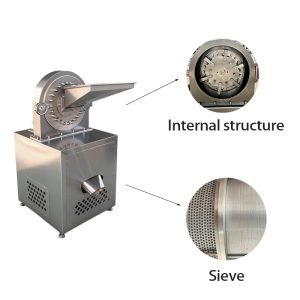
The whole process is continuous, closed, and forced crushing. Fineness is mainly determined by gear-disc structure, rotating speed, and screen aperture.
Grinding Performance
As long as the gear discs, screen, and rotating speed remain unchanged:
Any target mesh size can be stably achieved;
Fineness will not fluctuate between different batches or production times;
Pigment color difference, particle uniformity, and dispersion effect remain consistent.
Is the Pigment Grinding Machine Easy to Operate and Maintain?
Is It Easy to Operate?
Yes, very user-friendly and easy for new operators to master quickly.
One-key start and stop, simple control.
Smooth feeding and discharging, no complicated adjustment.
Fineness is preset by screen and speed, then direct mass production without re-adjustment per batch.
All-stainless steel body, clean and hygienic, suitable for pigments, color powders, coatings, etc.
Is It Easy to Maintain?
Extremely simple, time-saving, and low long-term cost.
Simple structure: no complex oil circuits or belts, few wearing parts.
Easy disassembly: gear discs and screens can be quickly disassembled for fast cleaning, material change, and color change.
Smooth all-stainless steel inner wall: no material sticking, no accumulation, not easy to block.
Daily maintenance only includes cleaning, inspecting the screen, and tightening screws, which can be done by ordinary workers.
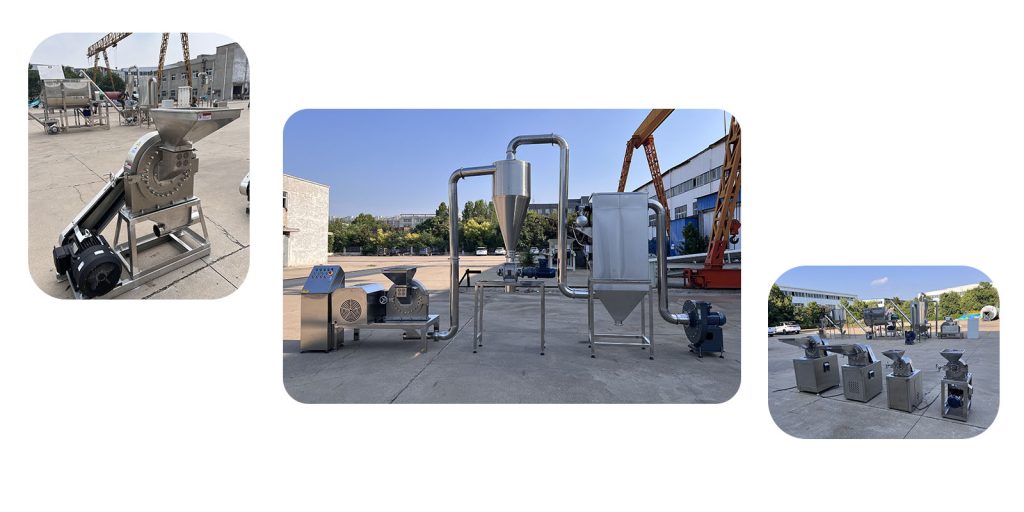
Grinding mill production line
Which Industries Need a Pigment Grinding Machine?
Combined with its core advantages of stable fineness, convenient operation, e
asy maintenance, and adaptability to various pigments, the pigment grinding machine is an essential equipment for many industries requiring fine grinding and uniform dispersion of pigments. It is widely used in production scenarios worldwide, especially meeting high standards for product standardization, high efficiency, and environmental protection.
Coatings & Paints Industry: The largest market. Whether architectural, automotive, industrial anticorrosive, or furniture coatings, manufacturers (especially in Europe, America, and Southeast Asia) focus on hiding power, color stability, and environmental performance. The equipment grinds pigments to the preset mesh, ensuring coatings are particle-free and color-uniform. The fully stainless steel chamber leaves no residue or contamination, suitable for solvent-based and water-based coatings, supporting continuous large-scale production.
Printing Industry: Including packaging, book, and flexographic printing. High requirements for ink fineness and dispersion. As core ink-production equipment, it grinds pigment particles to a fine and uniform state, avoiding screen clogging and color difference. Precise fineness control matches various mesh requirements, and easy disassembly and cleaning enable fast color change, ideal for small-batch, multi-variety production.
Plastics & Rubber Industry: Key equipment for plastic coloring. It grinds pigments into fine powder for full mixing with PP, PE, PVC, etc., ensuring uniform color, no impurities, and no fading in masterbatches, films, toys, and household appliances. It meets high environmental and consistency standards in Europe and North America, supporting food-grade and medical-grade plastic production.
Cosmetics Industry: Especially in Europe, America, Japan, and South Korea, with strict requirements for fineness, safety, and stability. Widely used in lipsticks, eye shadows, foundations, etc. Food-grade stainless steel, no residue or odor, grinds pigments to micron-level or finer, ensuring smooth texture and even application, suitable for small-batch, multi-category high-end cosmetics.
Color Syrup & Dye Industry: For textiles, leather, coatings, etc. It grinds pigments uniformly to ensure coloring strength and dispersion, avoiding stratification and sedimentation. Closed design reduces dust pollution and meets environmental standards.
Special Chemicals & New Materials: High requirements for fineness and dispersion. The machine provides precise fineness control, wear and corrosion resistance, supporting R&D in laboratories to large-scale production.
In addition, the machine is widely used in pharmaceutical pigment grinding, food colorant grinding, leather dye grinding, and other fields. Its strong versatility, controllable fineness, and easy maintenance make it suitable for personalized needs across industries.
FQAs
Can the Pigment Grinding Machine run continuously for a long time?
Yes, and the continuous working time should be adapted to the equipment model. The machine features a simple structure and easy maintenance. It is made of all-stainless steel with a smooth inner wall that prevents material adhesion and blockage, ensuring stable long-term continuous operation, effectively reducing downtime loss, and meeting the continuous production needs of enterprises of different scales.
Will the Pigment Grinding Machine damage the materials during operation?
During operation, this Pigment Grinding Machine with a stainless steel gear disc as the core structure will not cause structural damage to pigments and related materials. It achieves particle refinement through gentle and uniform shearing, friction and grinding between the gear discs, instead of high-impact crushing. Therefore, it can maintain the stability of the original composition, color hue, molecular structure and performance of materials while ensuring fineness.
For various materials such as organic pigments, inorganic pigments, color powders and dyes, it only grinds materials finely without damage or denaturation. It is especially suitable for high-end production scenarios with strict requirements for material purity, color hue and stability.
Is the Pigment Grinding Machine easy to operate?
It is very easy to operate with clear button control. If matched with other equipment such as dust removal, mixing, feeding and packaging, an intelligent integrated control cabinet can be configured, allowing a single operator to run the entire production line.
About Pcreate Machinery
Pcreate Machinery specializes in complete sets of equipment for the powder processing industry, covering the entire production chain from single-unit machines to integrated systems—including crushing, conveying, mixing, screening, and granulation. Our products serve a wide range of sectors, such as food additives, baking ingredients, pharmaceutical intermediates, health food, and chemical raw materials.
Backed by advanced technologies, sophisticated craftsmanship, and a comprehensive pre-sales service system, we have earned consistent praise from customers both at home and abroad. We prioritize establishing long-term partnerships with clients, and have witnessed the growth of numerous customers through our top-tier product quality and dedicated service.
We firmly believe that quality and efficiency are reflected in every detail—from engineering design, R&D experiments, to equipment manufacturing, installation, and commissioning. We strive to optimize every step to ensure our machines perform at their peak.
The seaweed grinding machine is a high-efficiency powder processing equipment specifically designed for fibrous seaweed materials. It is suitable for grinding various dried seaweed raw materials such as kelp, nori, wakame, and spirulina. Addressin...
Pcreate Health Nutrition Powder Grinding: Food-Grade Material & Multi-Ingredient Adaptation – A Professional Must-Have for Efficient, Nutrient-Retaining Healthy Nutrition Powder Making at Home and Commercial Production
The Shrimp skin Ultrafine Pulverizer is essentially a stainless steel toothed disc pulverizer. Its crushing fineness can be flexibly adjusted (10 to 120 meshes), which can accurately adapt to the production needs of food, feed, biological processi...
 粉体処理ソリューション - 粉砕機・グラインダー・ミキサー|Pcreate マシナリー