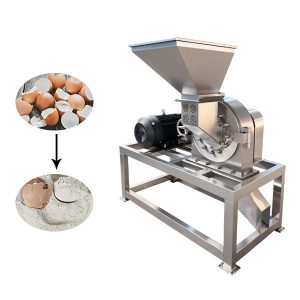
In many industries such as food processing, pharmaceuticals, chemicals, and mineral production, achieving ultra-fine powder is essential for improving product performance and market value. Finer particle sizes can enhance solubility, improve absorption, create smoother textures, and ensure better dispersion in final products. As a result, more manufacturers are looking for reliable grinding solutions that can consistently produce high-quality ultra-fine powder.
However, in real production environments, many factories face common challenges during the grinding process. Traditional grinding equipment often produces uneven particle sizes, resulting in inconsistent product quality. In addition, some machines suffer from low grinding efficiency, excessive heat generation, or frequent maintenance, which can interrupt production and increase operating costs. For manufacturers that require stable and continuous production, these problems can significantly affect productivity and profitability.
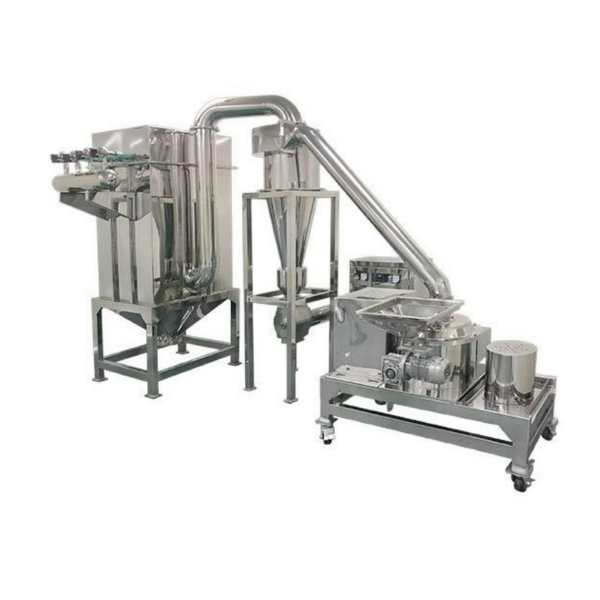
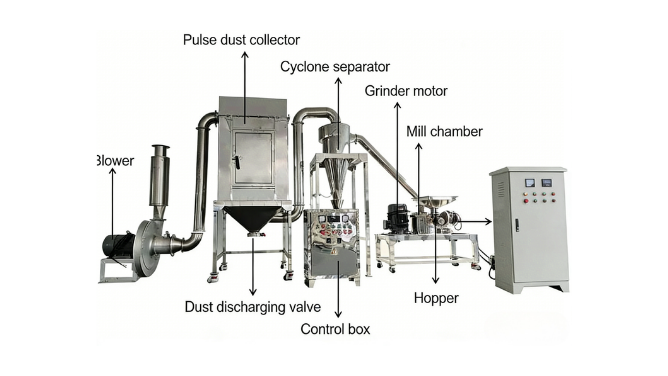
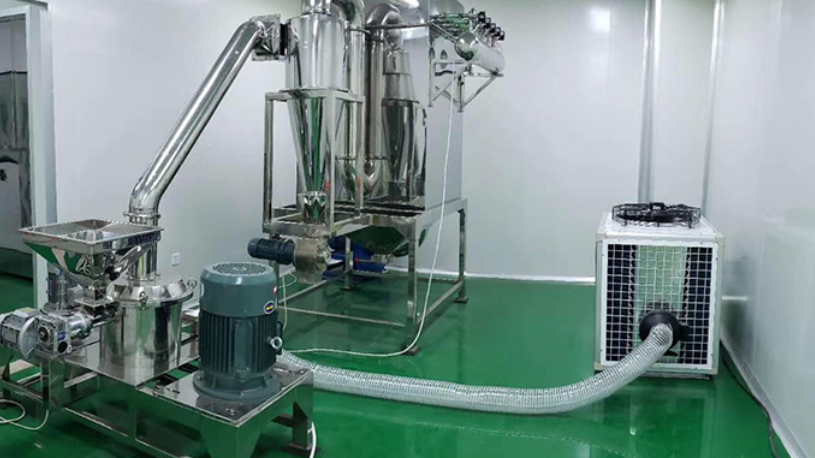
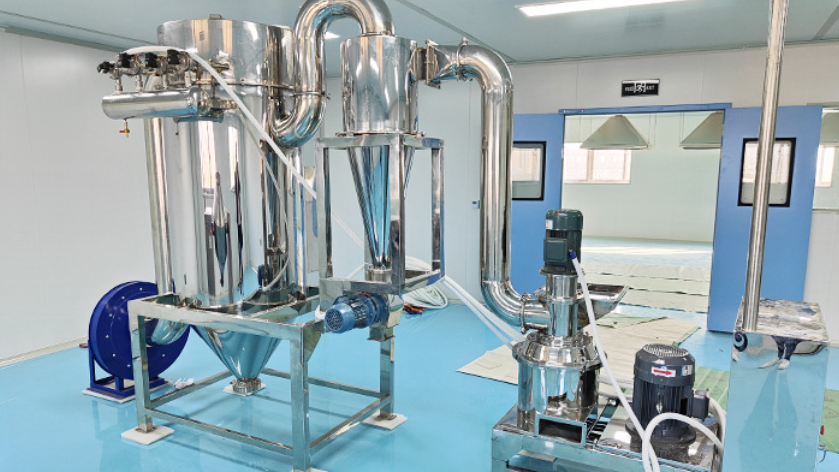
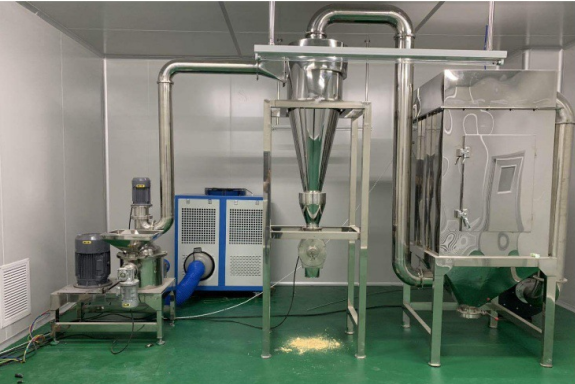
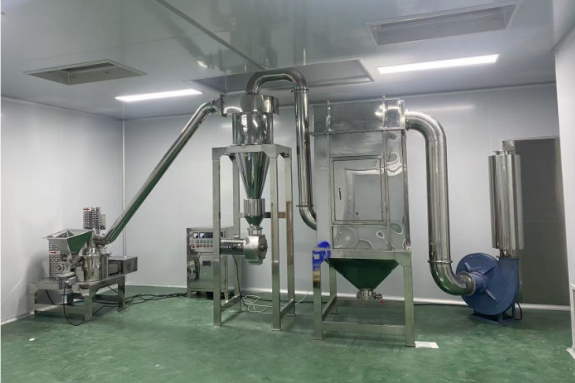
To overcome these challenges, many companies are turning to an ultra fine pulverizer. This advanced grinding machine is specifically designed for high-precision powder processing. By using high-speed impact, shear, and grinding forces, the ultra fine pulverizer can efficiently reduce a wide range of dry materials into extremely fine and uniform powders.
An ultrafine grinder is a high-precision pulverizing device capable of processing materials to micron-level or even finer particle sizes. It is primarily used in industries requiring high fineness of finished products. Compared to ordinary grinders that only break materials into coarse particles, ultrafine grinders further refine material particles through high-speed impact, shearing, grinding, or airflow, achieving powder processing with high uniformity, high purity, and controllable particle size.
I. Basic Definition of an Ultrafine Grinding Mill
An ultrafine grinder (also known as a micro-pulverizer or ultrafine pulverizer) is a device specifically designed for producing ultrafine powders. It typically processes materials to 20–300 mesh, with some high-end equipment achieving even higher fineness (micron-level).
It is widely used in:
Food industry (e.g., eggshell powder, seaweed powder, spice powder)
Pharmaceutical industry (ultra-fine pulverization of traditional Chinese medicine)
Chemical industry (additives, fillers)
Agricultural field (mineral powder, calcium powder processing)
II. Working Principle of an Ultrafine Grinding Mill
The core of an ultrafine grinder lies in “high speed + graded control”. Its basic working process includes:
Material enters the grinding chamber
High-speed rotating blades, hammers, or grinding discs generate impact and shearing forces
Material repeatedly collides and grinds within the chamber
Particle size is controlled by a sieve or grading device
Finished product is discharged after reaching the standard fineness
Some high-end equipment uses the airflow grinding principle, using high-speed airflow to drive materials to collide with each other, achieving a finer grinding effect.
III. Core Features of Ultrafine Grinding Mills
✔ Adjustable fineness, uniform particle size
✔ Suitable for continuous and stable operation
✔ Compact structure, small footprint
✔ Can be equipped with a dust removal system for better dust control
✔ Some models support food-grade stainless steel materials
IV. Why Choose an Ultrafine Grinding Mill?
In actual production, insufficient fineness directly affects product quality, for example:
Insufficiently fine calcium powder leads to decreased absorption rate
Coarse texture in food powders
Uneven dispersion of additives
Ultrafine grinding mills can effectively solve these problems, improving product added value and market competitiveness.
How to get a very fine powder?
In the food, pharmaceutical, chemical, and mineral processing industries, powder fineness directly determines product quality, absorption rate, and market competitiveness. So, how to obtain extremely fine powder? The key lies in four core factors: equipment selection, material pretreatment, pulverization process, and classification control. Among these, a professional ultrafine pulverizer (ultrafine grinding equipment) is the core equipment for achieving micron-level powder processing.
I. Choosing the Right Ultrafine Pulverizing Equipment
Ordinary pulverizers often cannot meet the requirements for obtaining extremely fine powder because their speed and structural limitations only allow for coarse or medium-fineness processing.
Ultrafine pulverizers utilize high-speed impact, shearing, friction, and material self-collision principles to process materials to a higher fineness range. Common equipment types include:
Airflow ultrafine pulverizer (suitable for high fineness requirements)
Turbine ultrafine pulverizer
Needle-disc ultrafine grinder
Mechanical impact ultrafine pulverizer
The more precise the equipment structure and the more complete the classification system, the more uniform and fine the finished powder.
II. Controlling Material Moisture Content
Excessive moisture content in materials can lead to:
Incomplete pulverization
Adhesion to the screen
Uneven fineness
Reduced output
It is generally recommended to control the material moisture content within a reasonable range (most dry powder processing is controlled at a low moisture content), which can significantly improve pulverization efficiency.
III. Optimizing Pulverization Parameters
To obtain very fine powder, the following parameters also need to be adjusted:
Spindle speed
Feed rate
Screen aperture
Classifying wheel speed (for equipment with a classification system)
Higher speed results in stronger impact force; finer classification control leads to more stable powder particle size.
IV. Adding a Classification System
To achieve higher mesh counts or more uniform particle sizes, it is recommended to use an ultrafine pulverizer with a built-in classification system. The classifying wheel can automatically screen out particles that do not meet the standards, allowing them to continue pulverization, thereby improving the fineness and consistency of the finished product.
V. Avoiding Over-Pulverization and Temperature Rise
During ultrafine processing, high-speed operation may lead to temperature increases, affecting the quality of some materials (such as food or traditional Chinese medicine). Therefore, we recommend:
Selecting equipment with a cooling system
Controlling continuous operating time
Using airflow-assisted cooling
This will maintain fineness while ensuring product quality.
မော်ဒယ်
Capacity(kg/h)
Feeding material size(mm)
Final material size(mm)
Total power(kw)
Main axis rotate speed(r/min)
Machine size(mm)
Weight(kg)
WFJ-15
20-80
<10
80-500
13.37
0-5800
4500*1250*2700
1000
WFJ-20
50-100
<10
80-500
18.37
0-4200
6000*1250*2900
1200
WFJ-30
100-200
<10
80-500
42.5
0-3800
7100*1300*3650
1800
WFJ-60
200-500
<10
80-500
76.75
0-3200
8000*2300*4500
2500
WFJ-80
300-800
<10
80-500
96
0-2800
8500*2500*4600
3000
WFJ-100
400-1200
<10
80-500
138
0-2000
10000*2800*5000
4000
Will the increased temperature during the grinding process of an ultrafine pulverizer lead to nutrient loss in the material?
Many customers worry about whether the high-speed grinding process will damage nutrients when using an ultrafine pulverizer to process food ingredients, traditional Chinese medicine, or functional powders.
The answer is: it’s possible, but whether significant nutrient loss occurs depends on the equipment structure, material characteristics, and temperature control method.
I. Why does an ultrafine pulverizer heat up?
Ultrafine pulverizers generate strong impact and shear forces during operation through high-speed rotation. The materials constantly collide and rub within the pulverizing chamber, generating heat. The temperature rise mainly comes from:
High-speed mechanical friction
Collisions between materials
Continuous operation of the motor for extended periods.
If the equipment lacks a good heat dissipation or cooling system, the chamber temperature will gradually increase.
II. Does increased temperature necessarily lead to nutrient loss?
This depends on the type of material.
1️⃣ For mineral materials (such as eggshell powder and calcium carbonate):
The impact is very small.
Mineral components are heat-resistant; short-term temperature increases will not change their main structural components.
2️⃣ Potential Impact on Plant-Based or Food Raw Materials (e.g., Seaweed Powder, Spices)
High temperatures may cause:
Reduction of volatile components (e.g., aroma compounds)
Damage to some heat-sensitive vitamins
Slight color changes
However, under normal circumstances, the temperature generated by ultrafine grinding is a short-term, instantaneous rise and will not severely damage nutrients like prolonged high-temperature baking.
3️⃣ Potential Impact on Traditional Chinese Medicine or Health Product Raw Materials
If temperature control is inadequate, it may affect some active ingredients, thus requiring a more stringent temperature control design.
III. How to Avoid the Effects of Temperature Rise?
To obtain ultrafine powder while protecting nutrients, the following measures can be taken:
✔ Choose an ultrafine grinder with an air-cooled or water-cooled system
✔ Control continuous operating time
✔ Optimize the feeding speed to avoid material accumulation in the chamber
✔ Use an airflow-assisted cooling structure
✔ Choose a reasonable rotation speed, rather than blindly pursuing extremely high speeds
High-end equipment is usually equipped with a built-in cooling system or a grading structure to effectively control temperature while improving fineness.
IV. Differences between Specialized Equipment and Ordinary Crusher
Ordinary crushers are more prone to the following problems under high loads:
Continuous increase in chamber temperature
Powder agglomeration
Material discoloration
In contrast, specialized ultrafine crushers, through optimized structural design, can reduce heat accumulation while ensuring fineness, resulting in more stable powder.
Choose & Buy Process of Ultrafine Pulverizer
Ultrafine pulverizers are essential equipment in industries such as chemical, pharmaceutical, food processing, and new materials. They are designed to grind materials into micron- or submicron-sized particles, thereby improving product quality and process efficiency. So, what factors should be considered when choosing an ultrafine pulverizer?
Material Characteristics and Grinding Quality
Technicians state that the selection of an ultrafine pulverizer primarily depends on the manufacturer’s choice of material characteristics (including mineral structure, hardness, color, required product content for each particle, particle shape, etc.). Different materials require different ultrafine pulverizers. When selecting an ultrafine pulverizer suitable for your material, you must carefully observe the quality of the equipment.
Powder Shape and Consistency
Currently, many users select powders based on the machine’s actual installed capacity, i.e., power consumption (energy consumption) and the amount of powder required per unit time. For powders with special requirements, users usually focus on the particle shape of the powder product.
Reducing Secondary Contamination
It is understood that non-metallic mineral powder products often have their own color; therefore, potential secondary contamination must be considered when selecting ultrafine grinding equipment. Ensuring equipment minimizes contamination is crucial for maintaining product purity, which is key to pharmaceutical packaging.
Equipment Testing and Evaluation
Technical staff indicate that users prefer to conduct testing before selecting equipment because the initial cost of the equipment is high, and many domestic equipment manufacturers currently provide relatively simple specifications for their equipment, which cannot fully represent the parameters users encounter in powder material production and are only for reference when selecting equipment. Therefore, it is necessary to conduct a period of evaluation on the selected equipment.
Auxiliary Equipment and Consumable Parts
“When selecting equipment, it is essential to clearly understand which parts are consumables and auxiliary equipment.” This is because choosing high-quality equipment equipped with a certain number of consumables can save users significant time and costs in future production. Secondly, the main unit itself integrates auxiliary equipment, which is highly advantageous for users.
We offer high-quality ultrafine pulverizers designed specifically for the pharmaceutical industry, ensuring superior performance, helping you improve production efficiency and meet industry standards.
Frequently Asked Questions
1. How fine a powder can an ultrafine pulverizer produce?
Ultrafine pulverizers are mainly used for processing high-fineness powders. The common fineness range is generally between 20 mesh and 300 mesh, and some high-performance equipment can even achieve micron-level powders. The specific fineness depends on the equipment model, screen specifications, and material characteristics.
2. What is the hourly output of an ultrafine pulverizer?
The output varies depending on the equipment model and the material being processed. Generally, small equipment has an hourly output of around 10–50 kg, medium-sized equipment can reach 50–200 kg/hour, and large equipment can achieve even higher outputs.
3. What materials are suitable for using an ultrafine pulverizer?
Ultrafine pulverizers are suitable for a variety of dry materials, such as:
– Food raw materials: spices, grains, seaweed, etc.
– Mineral raw materials: eggshells, shells, calcium carbonate, etc.
– Traditional Chinese medicine raw materials
– Chemical powder materials
However, materials with high moisture content or excessive oil content require pretreatment.
4. Does the material need pretreatment?
Generally, simple pretreatment of materials is recommended, such as:
– Cleaning impurities
– Thorough drying
– Appropriate crushing into small particles
This can improve crushing efficiency and reduce equipment wear.
5. Will the equipment temperature rise during operation?
During high-speed crushing, the equipment will generate a certain amount of heat, which is normal. High-quality ultrafine pulverizers usually control the temperature through air-cooling structures or heat dissipation designs, thereby avoiding significant impact on material quality.
6. Can the ultrafine pulverizer operate continuously?
Most industrial ultrafine pulverizers support continuous and stable operation. As long as the feed rate is properly controlled and the equipment status is checked regularly, stable production can be achieved for a long time.
7. Is equipment maintenance complicated?
The overall structure of an ultrafine pulverizer is relatively simple. Daily maintenance mainly includes:
– Regularly checking vulnerable parts
– Cleaning residual material inside the crushing chamber
– Checking bearings and the lubrication system
As long as it is used according to the operating procedures, equipment maintenance is not complicated.
8. How to choose a suitable ultrafine pulverizer?
When selecting equipment, it is recommended to focus on the following factors:
– Target fineness requirements
– Hourly production capacity
– Type of materials to be processed
– Equipment material and hygiene level
– Energy consumption and maintenance costs
Selecting the appropriate model based on actual production needs will result in better production efficiency.
Summary and Conclusion
With the continuous development of powder processing technology, various industries are demanding increasingly higher requirements for powder fineness, uniformity, and product quality. Ultrafine pulverizers, as highly efficient powder processing equipment, can grind materials to a finer particle size range, thereby improving product utilization and added value. Therefore, they are widely used in food, pharmaceutical, chemical, and mineral processing industries.
Through the combination of high-speed impact and a fine grading system, ultrafine pulverizers can not only achieve stable ultrafine powder production but also effectively control powder particle size, resulting in more uniform and delicate finished products. At the same time, modern equipment is constantly being optimized in terms of structural design, energy-saving performance, and dust control, making equipment operation more stable, safe, and environmentally friendly.
However, in actual production, selecting the appropriate equipment model is equally important. Enterprises need to make a reasonable selection based on the characteristics of the materials being processed, the required powder fineness, and output requirements, and to perform proper material pretreatment and equipment maintenance to fully leverage the performance advantages of ultrafine pulverizers.
Overall, ultrafine pulverizers are not just simple pulverizing equipment; they are important tools for improving powder quality and production efficiency. For companies that require high-fineness powder processing, choosing a stable, efficient, and durable ultrafine pulverizer will provide a strong guarantee for long-term production and market competitiveness.
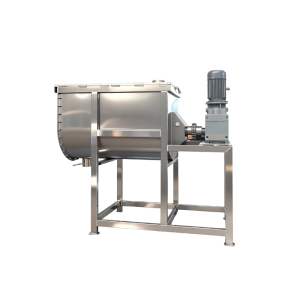
PinChuang Machinery primarily provides complete sets of equipment for the powder industry, covering everything from individual units to systems, from crushing, conveying, mixing, screening to granulation, serving industries such as food additives, baking ingredients, pharmaceutical intermediates, health foods, and chemical raw materials. With leading technology and processes, as well as a comprehensive pre-sales system, we have won consistent praise from domestic and international customers. Our company values building long-term partnerships with our clients, and through first-class product quality and dedicated service, we have witnessed the growth of numerous customers. We firmly believe that quality and efficiency are reflected in engineering design, R&D experiments, equipment production and installation, and every detail. At every stage, we will strive to ensure our machines operate at their optimal state.
Food processing plants, farms, and egg processing enterprises generate a large amount of eggshell waste every day. Improper disposal not only increases environmental pressure but also wastes the high-value natural calcium carbonate resources conta...
The eggshell grinding machine is an industrial equipment specifically designed for the fine grinding and processing of eggshell materials. It can efficiently grind eggshells, duck eggshells, and other eggshell raw materials into eggshell powder wi...
 Powder Processing Solutions – Pulverizers, Grinders & Mixers | စက်ယန္တရားများဖန်တီးပါ။